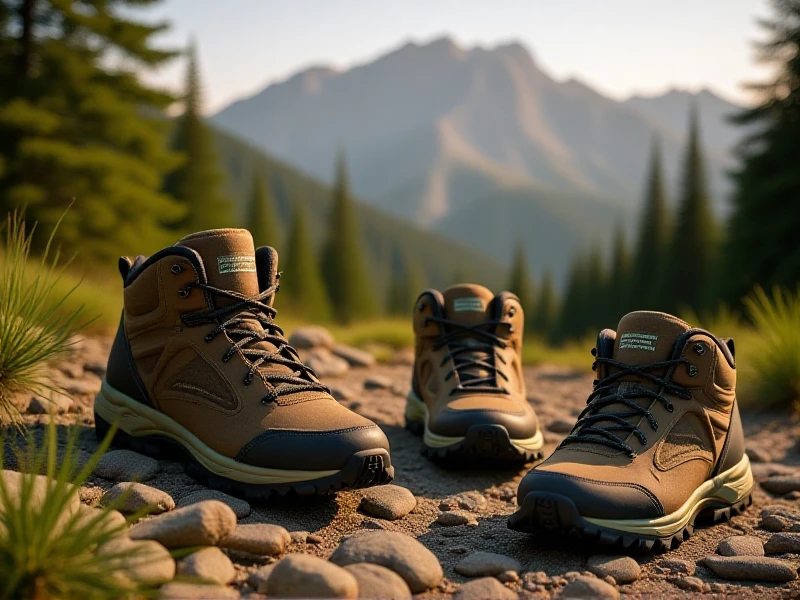
The Ultimate Guide to Choosing Your Perfect Pair of Hiking Shoes
Finding the right pair of hiking shoes is crucial for comfort, safety, and truly enjoying your time on the trail. Unlike regular sneakers, hiking shoes are specifically engineered to handle rough terrain, provide essential support, and protect your feet from the elements. Investing in the right pair can dramatically improve your hiking experience, reduce fatigue, and even prevent injuries. Whether you're tackling gentle local paths or gearing up for challenging backcountry adventures, the best hiking shoes are your foundation.
What Makes Great Hiking Shoes?
Superior hiking shoes excel in several key areas. First and foremost is support. Your ankles and arches face constant stress on uneven ground. Look for sturdy midsoles and designs (like mid-cut "hikers" or full-on boots) that cradle your foot and ankle securely, reducing rolling risk. Comfort is non-negotiable. They need ample cushioning in the midsole and insole to absorb impact hour after hour, plus a shape that fits your foot well without pinch points. Immediately noticeable differences often lie in the tongue and collar padding.
Grip is life on the trail. Advanced rubber soles with deep lugs (tread patterns) are essential for traction on wet rocks, slippery roots, loose gravel, and muddy patches. Shoes featuring technologies like Vibram® outsoles are renowned for their reliable hold. Durability comes from tough, often synthetic uppers like ripstop nylon, mesh panels for breathability, and reinforced toe caps like "rand" rubber bumps protecting against scuffs and rocks. For wet conditions, waterproofing membranes (like Gore-Tex®) are invaluable, though they slightly reduce breathability compared to non-waterproof options.
Choosing Your Perfect Fit
Selecting your hiking shoes isn't just about size, but about matching the shoe to your hike type and foot shape. For day hikes on well-maintained trails, lighter, low-cut trail runners or hiking-specific shoes offer agility and are quicker to break in. Rugged off-trail excursions or multi-day treks with heavy packs demand the greater support and protection of sturdy mid-cut hiking boots. Always try on hiking shoes in the afternoon when your feet are slightly swollen, wear the socks you plan to hike in, and ensure at least a thumb's width of space in front of your longest toe. Walk extensively on an incline and decline if possible, mimicking trail conditions.
Protect Your Investment
Once you've found your ideal hiking shoes, take care of them. Clean off dirt and mud after hikes, let them air dry naturally away from direct heat, and periodically treat leather uppers or reapply waterproofing sprays as recommended by the manufacturer. Rotating between two pairs extends the life of both.
Don't underestimate the power of the right footwear. Properly chosen and cared-for hiking shoes are the first step towards unlocking countless miles of adventurous, comfortable exploration. Research brands read reviews, and try on several pairs. Your feet (and your entire hiking experience) depend on it!