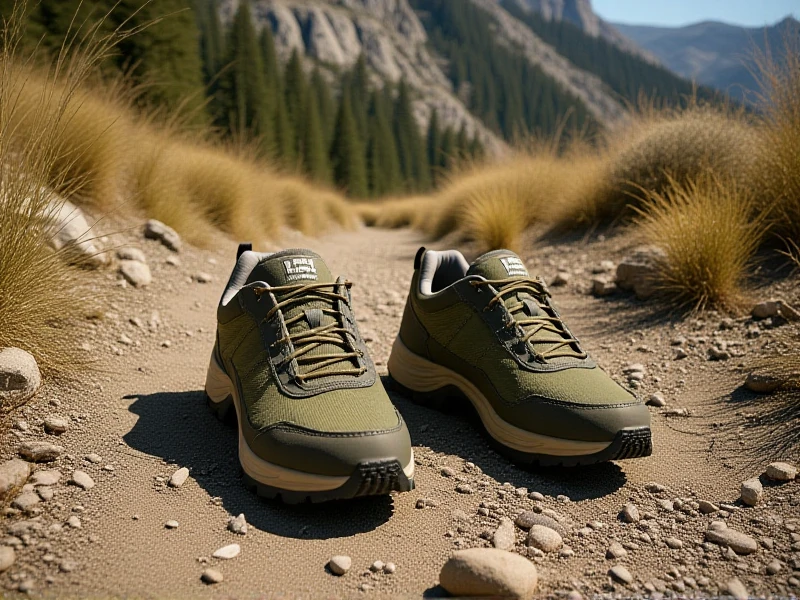
The Ultimate Guide to Choosing Your Perfect Trekking Shoes
SEO Article Output:
Embarking on an outdoor adventure demands reliable trekking shoes. Whether navigating rocky trails or muddy forest paths, your choice of footwear directly impacts your comfort, safety, and enjoyment. But with countless options available, selecting the right trekking shoes can feel overwhelming. Let's break down the essentials.
First, consider the terrain. Day hiking on well-maintained paths? Lightweight hiking shoes offer flexibility and breathability. Tackling multi-day backpacking trips with heavy loads? Sturdy trekking shoes with robust ankle support and stiff midsoles for stability are crucial. For technical trails with loose scree or steep ascents, look for aggressive outsoles offering superior grip.
Waterproofing is another key decision. Membranes like Gore-Tex excel at keeping feet dry in wet grass, puddles, or light rain, enhancing comfort significantly on damp trails. However, they provide less breathability in hot, dry conditions compared to non-waterproof, breathable mesh materials. Assess the climate and conditions you typically encounter.
Fit reigns supreme. Ill-fitting trekking shoes cause blisters and discomfort. Trekking shoes should snugly cradle your heel, allow natural toe splay, and provide ample volume across the instep without pressure points. Always try shoes on with the socks you intend to hike in. Walk on an incline/decline if possible. Remember, your feet swell during hiking, so a thumb's width of space at the toe is vital. Brands like Merrell, Salomon, Keen, and Lowa offer varied last shapes to suit different foot volumes.
Prioritize support and traction. Look for supportive midsoles and firm heel counters, especially for uneven terrain. Vibram Megagrip or Continental rubber outsoles are renowned for exceptional traction on wet rocks, roots, and mud. Deep, multi-directional lugs ensure confident footing.
Don't overlook durability and weight. Suede leather or nubuck uppers offer great abrasion resistance, while synthetic meshes enhance breathability. Reinforced toe caps and heel rands add protection against trail debris. Balance durability needs with how much weight you're willing to carry.
Investing time in finding your ideal pair of trekking shoes pays dividends on the trail. Focus on your specific needs regarding terrain, climate, fit, support, traction, and intended use. Your feet (and your adventure enjoyment) will thank you! Check trail communities on Instagram for real-world reviews.