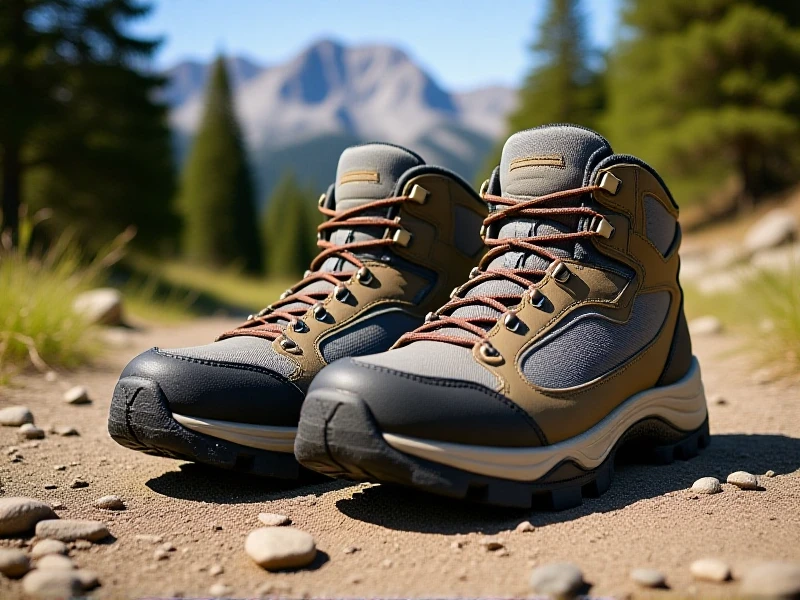
Essential Features for Comfortable and Safe Hiking Shoes
Choosing the right hiking shoes is fundamental to enjoying the outdoors safely and comfortably. Whether you're tackling gentle nature paths or rugged mountain terrain, your footwear significantly impacts performance, endurance, and safety. Understanding the key features of hiking shoes empowers you to find the perfect pair for your adventures.
Traction is Paramount: The sole's grip is your vital connection to the trail. Look for hiking shoes featuring aggressive, multi-directional lugs made from durable, sticky rubber compounds like Vibram®. Deep, widely spaced lugs shed mud effectively and bite into loose dirt, wet rocks, and gravel, providing confidence on steep ascents and descents. A rock plate embedded in the midsole protects your feet from sharp protrusions underfoot.
Support and Stability: Protection for your feet and ankles is crucial. Hiking shoes offer varying levels of support:
- Low-Cut: Lightweight and flexible, ideal for well-maintained trails.
- Mid-Cut: Extending above the ankle bone, these provide essential support on uneven terrain, reducing twisting.
- Stiff Shank: Many hiking shoes incorporate a stiffening element (nylon or composite) in the midsole. This enhances stability on rocky trails by preventing excessive flex, reducing fatigue.
Protection and Comfort:
- Toe Cap: A durable rubber bumper protects toes from unexpected rocks and roots.
- Waterproofing: Technologies like GORE-TEX® liners effectively repel rain and incidental water crossings while allowing internal moisture (sweat) to escape, keeping feet drier longer. Remember, "waterproof" doesn't mean "submersible".
- Cushioning: Adequate padding in the midsole and footbed absorbs impact on long hikes, preventing sore feet. Cushioning levels vary; consider your typical trail distance and backpack weight.
- Breathability: Essential for comfort, especially in warmer weather. Mesh panels promote air circulation. Non-waterproof shoes often excel here.
Perfect Fit is Non-Negotiable: Even the best features mean nothing without a proper fit. Always try hiking shoes on in the afternoon when feet are naturally swollen. Wear the socks you intend to hike in. Allow about a thumbnail's width of space between your longest toe and the front. Your heel should be locked securely without slipping. Walk rigorously on an incline or uneven surface in-store if possible. Prioritize comfort over brand reputation alone.
Materials for Durability: Uppers combine durable synthetics (like nylon mesh) and abrasion-resistant leather. Full-grain leather offers maximum durability and support for heavy loads but is heavier. Split-grain leather (often combined with mesh) balances weight and breathability but offers less abrasion resistance. Synthetic uppers are usually the lightest and quickest drying.
Investing time in selecting the right hiking shoes based on the terrain you frequent and your personal needs pays off immensely on the trail. Properly fitted, supportive, and protective footwear transforms challenging hikes into enjoyable, memorable experiences. Understanding these essential features ensures your feet stay happy mile after mile. Explore quality options designed to match your hiking ambitions.