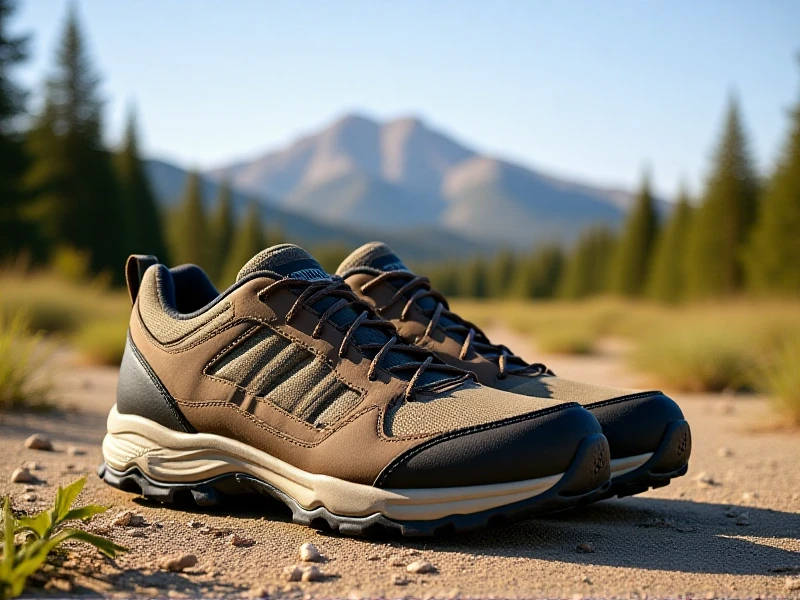
The Ultimate Guide to Trekking Shoes: Comfort, Durability & Traction
Hitting the trail demands the right gear, and nothing impacts your adventure more than your footwear. Trekking shoes are your essential connection to the terrain, blending rugged performance with vital comfort for hours on your feet. Choosing wisely means avoiding blisters, slips, and fatigue – letting you focus on the stunning views.
Unlike everyday sneakers, trekking shoes are engineered for challenging environments. Key features include:
- Exceptional Traction: Deep, multidirectional lugs using grippy rubber compounds (like Vibram®) bite into loose dirt, gravel, mud, and even wet rock. The aggressive tread pattern channels debris away, maintaining grip.
- Superior Comfort & Support: Cushioned midsoles absorb impact from uneven terrain. Sturdy construction, often with nylon shanks or full-length plates, provides stability on uneven surfaces and protects your feet. Proper ankle support in mid-cut boots helps prevent twists on descents.
- Durable, Protective Build: Tough uppers made from suede leather, synthetic mesh, or robust textiles resist abrasion from roots and rocks. Thick, protective toe caps shield feet from stumbles. Waterproof membranes (Gore-Tex® or similar) keep feet dry in damp conditions.
- Secure Fit: Lock-lacing systems ensure a snug heel hold, preventing slippage and blisters. A roomy toe box allows toes to splay naturally, especially important on long descents. Proper arch support caters to various foot types.
Why Trekking Shoes vs. Hiking Boots? Trekking shoes typically sit lower on the ankle, offering lighter weight and greater flexibility than traditional full-height backpacking boots. They excel on well-maintained trails, long day hikes, and moderate terrain. If you're carrying lighter loads and prioritize agility without sacrificing sole protection, they’re often ideal.
Choosing Your Perfect Pair: Key Considerations
- Terrain & Distance: Assess typical trails. Rugged, multi-day trips may lean toward burlier boots. Smooth paths favor lighter shoes.
- Fit is Paramount: Don't just grab your street size. Try shoes on late in the afternoon when feet swell slightly, wearing the socks you’ll hike in. Ensure a thumb's width between longest toe and end. Walk extensively in-store on inclines.
- Waterproofing: Essential for wet climates or muddy trails, but some sacrifice breathability. Quick-drying non-waterproof shoes might be better in hot, dry conditions.
- Break-in Period: Quality trekking shoes soften and mold. Start with short walks before tackling epic distances.
Investing in a quality pair designed specifically for trekking transforms your time outdoors. Proper underfoot support, relentless grip, ankle stability, and lasting durability free you to explore further, carrying only your sense of adventure. Don't underestimate the power of the right shoe. Your feet will thank you at mile ten.